
Demystifying GLP-1s.

What are they? How do they work? Are they all the same? Are they dangerous? Do you have to stay on them the rest of your life?
What are they?
First and foremost they get rid of that loud “FOOD NOISE” which is the constant, intrusive thoughts about eating.
GLP-1s has become a game changer in treating the disease of Obesity. It is a naturally occurring hormone produced in your small intestine and the medication mimics this hormone but stays in our body longer than the natural version. It can treat Type 2 Diabetes and Obesity.
It affects two major hormones in our body - Glucagon and Insulin.
Glucagon is a hormone produced by the pancreas that raises blood sugar levels by triggering the liver to release stored glucose to prevent hypoglycemia and creates glucose from non-carbohydrate sources.
Insulin is a hormone produced by the pancreas that acts as a key to allow glucose (sugar) from food to enter the cells for energy, lowering blood sugar levels.
How do they work?
GLP-1 is naturally released after you eat and plays three major roles in your body:
Insulin Regulation - it signals the pancreas to release insulin, which lowers blood sugar.
Glucagon Blockades - It prevents the liver from releasing too much sugar into the bloodstream.
Digestion and Appetite - It slows down “gastric emptying” (how fast food leaves your stomach) and signals the brain that you are full.
Are they all the same?
The major ones that we use are SEMAGLUTIDES and TIRZEPATIDES with one big difference between the two.
Tirzepatide is a dual agonist and targets GLP-1 and another hormone called GIP. GIP is Gastric Inhibitory Polypeptide which is a 42 amino-acid hormone which is another gut-derived hormone. It enhances insulin release in response to food ingestion and assists in blood glucose management, helps with fat metabolism, helps regulate weight by increasing the feelings of fullness, slows gastric emptying and reducing food intake.
Are they dangerous?
GLP-1s are similar to all medications and can have side effects but are overall safe. Most of these occur when you first start the medication or increase your dose.
The most common side effects are nausea, vomiting, diarrhea, constipation, abdominal pain and a decreased appetite which are secondary to the rate at which your stomach empties itself while on the medication.
The less common but serious side effects are pancreatitis, gallbladder problems, kidney issues, hypoglycemia and vision changes. These side effects require medical attention and you should contact our office if any of these occur. For severe symptoms we recommend that you present to the ER.
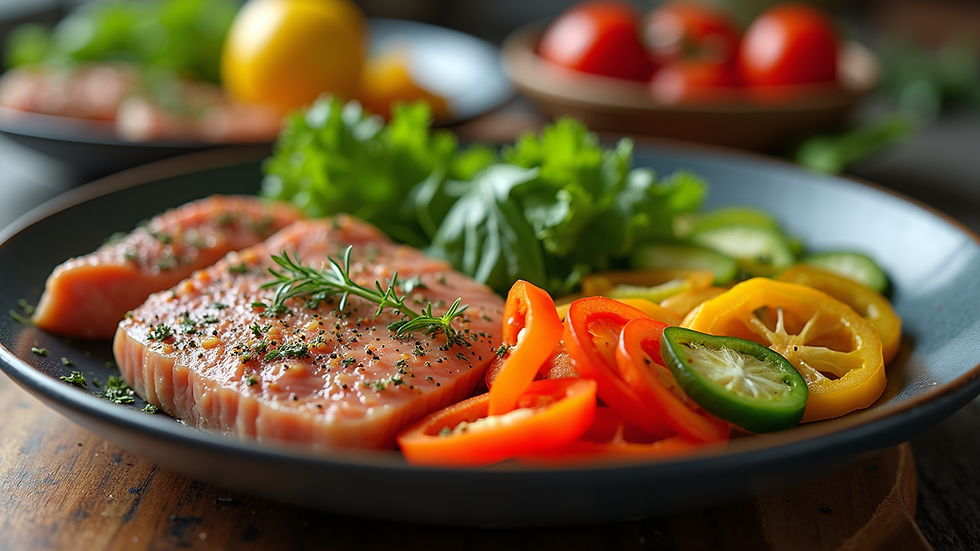
There are things that you can do if any of the more common side effects occur:
Eat Smaller Meals - instead of three large meals, try five or six very small portions throughout the day.
Stop When Full - Listen to your body because even one extra bite after feeling satisfied can trigger nausea
Stay Hydrated - Sip water or electrolyte drinks consistently to avoid dehydration and help with constipation.
Avoid ‘Heavy Foods‘ - High-fat, fried and spicy foods are harder to digest while on the medication and are more likely to cause symptoms
Bland Choices - Stick to the “BRAT” diet (Bananas, Rice, Applesauce, Toast) or simple proteins like grilled chicken if nausea is persistent.
Do you have to stay on them for the rest of your life?
Since Obesity and Type 2 diabetes are now considered chronic diseases they may require ongoing management rather than a one-time “cure” but one of the benefits of working with us is having the added advantage of Physician-led Lifestyle Medicine coaching.
Our goal at My Health Keys is to help you reach your target weight while maximizing lifestyle changes so that you don’t have to stay on medication for the rest of your life. Your future self will thank you!


Comments